- Review: 2:22 starring Cheryl; A Ghost Story that’s, ironically, human
- Review: Orlando starring Emma Corrin; Stylish but Self-conscious

- Review: Least Like the Other: Searching for Rosemary Kennedy; “Lobotomy: The Opera”!
- Review: Matthew Bourne’s Sleeping Beauty; A Fever Dream Fairytale
- Review: Hakawatis, Women of the Arabian Nights; Intimate Storytelling in Female Gaze at Shakespeare’s Globe

- Best of the Year: Review: My Neighbour Totoro; Some High End Puppets
-
Why was ENO’s Yeoman of the Guard so boring?
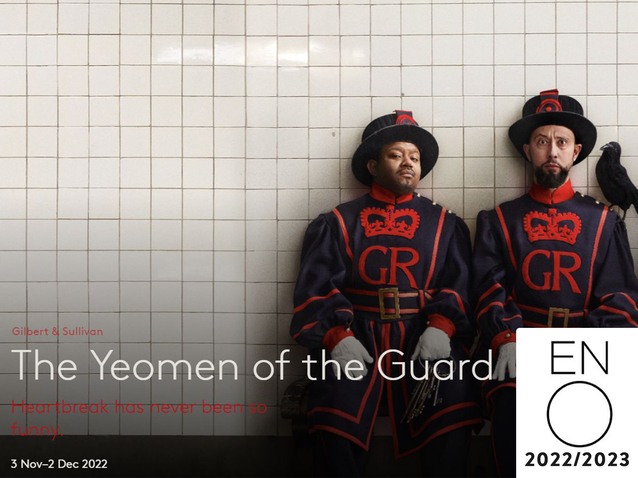
Gilbert and Sullivan were fighting when they wrote Yeoman of the Guard. Sullivan wanted to compose a serious opera. Gilbert wanted to continue their successful brand—writing biting parody of Victorian society against the beauty of late-nineteenth century scores. In the end, Gilbert gave in to Sullivan. The result is their most serious opera.
Hefty source material partly explains Jo Davies’ limp new production. Even with a story about the impending execution of a political prisoner at the Tower of London, Anthony Ward’s gloomy and claustrophobic set design is too literal. I feel restless and trapped in the wrought-iron set and long shadows.
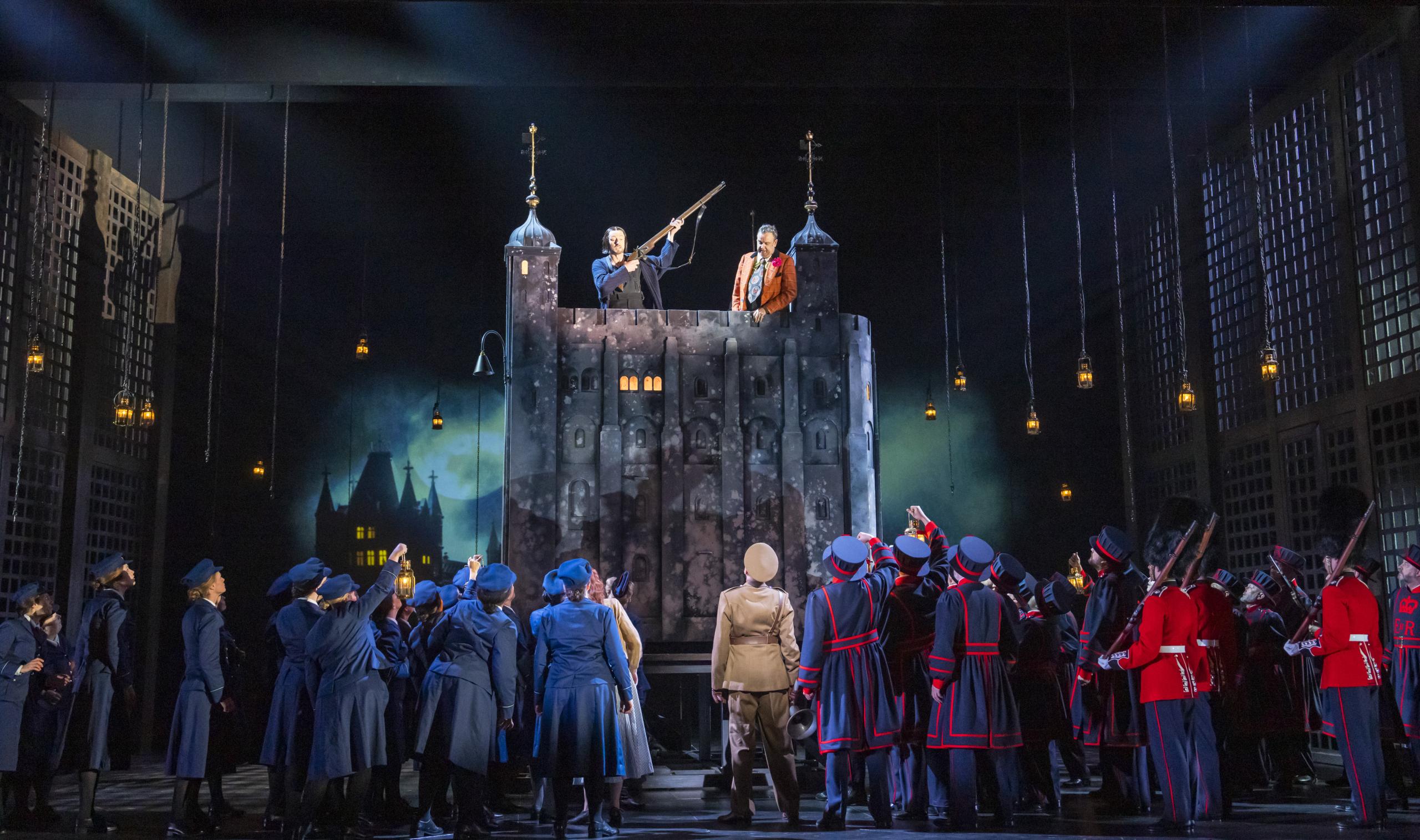
This overly dark interpretation of an overly serious libretto leave little room for Gilbert & Sullivan’s trademark humour. Unforgivably, the show fails to bring the audience in on the jokes that do exist in the libretto. The performances are timid and underdone. Key beats in the plot—misinterpreted orders and obvious disguises—fail to land. The night’s biggest laughs are in response to tap dancing royal guards, in the background of the show.
Otherwise, the audience was mostly silent on opening night. After a few strained Brexit jokes, Richard McCabe’s Jack Point, meant to be comic relief, quipped, “This is going very well, isn’t it?” before exiting. Suffice to say, this show wasn’t funny.
It’s a shame as the production started strong. During the overture, a grainy projector flashes vintage BBC news reels. This plants us in the post-war, early days of Queen Elizabeth II’s reign and draws parallels to familiar headlines—rail strikes and a revolving door of Parliamentary leadership. This is GIlbert-style satire at its best. Besides a few costume references, like the late Queen’s insignia on the beefeaters, the production fails to identify itself with the 1950s, Gilbert & Sullivan’s own Victorian age, or the original setting in Elizabeth I’s London. This clever point-of-view quickly fizzles out.
Advertisements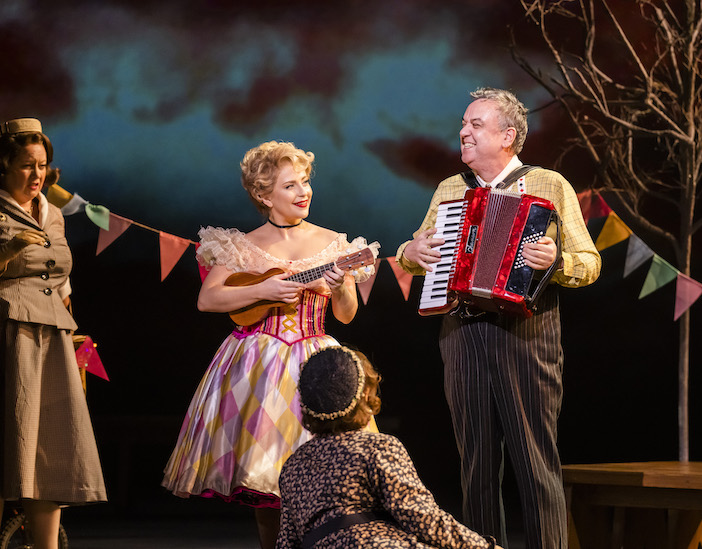
If you do go, you’re in for a musical treat. Yeoman has some of Sullivan’s most beautiful writing. The chorus delivers full and rich performances that pleasantly present Sullivan’s 4-part choral harmonies and 3-part trios. Alexandra Oomens’s Elsie Maynard and Anthony Gregory’s Colonel Fairfax offer standout vocals with resonant vibrato perfectly suited to Sullivan’s melodies. Unfortunately, these enjoyable vocal performances fail to fill a mostly empty, dimly lit stage. I yawned in some of the most beautiful arias.
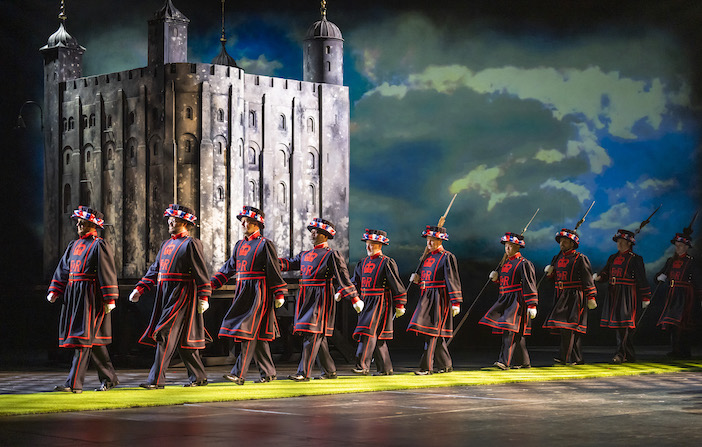
The finale is colourful and joyous. A blue sky is set against a Tower of London miniature. The chorus emerges in its full beefeater glory. It’s camp, but it’s still not funny.
Just as the show itself was written in a disagreement, Davies production has competing ideas that make this Yeoman of the Guard feel like it’s fighting with itself. Leaving the theatre, all I wanted was to laugh.
All photos by Tristram Kenton as part of English National Opera Press Pack.
Advertisements -
What Happened? Impressive Young Singer Inappropriately Heckled & Boo’ed Royal Opera House

Malakai M Bayoh first walks on stage as Oberto in a Puritan-inspired school uniform and a cross-the-shoulder messenger bag. He’s cleverly holding up a “Missing” poster. His character is searching for his father whom, unbeknownst to Oberto, the enchantress Alcina has turned into a lion.
Bayoh is confident and consistent on stage. In the first interval, Bayoh can be seen walking through the main foyer of the Royal Opera House, handing out “Missing” posters and asking audience members if they’ve seen his father.
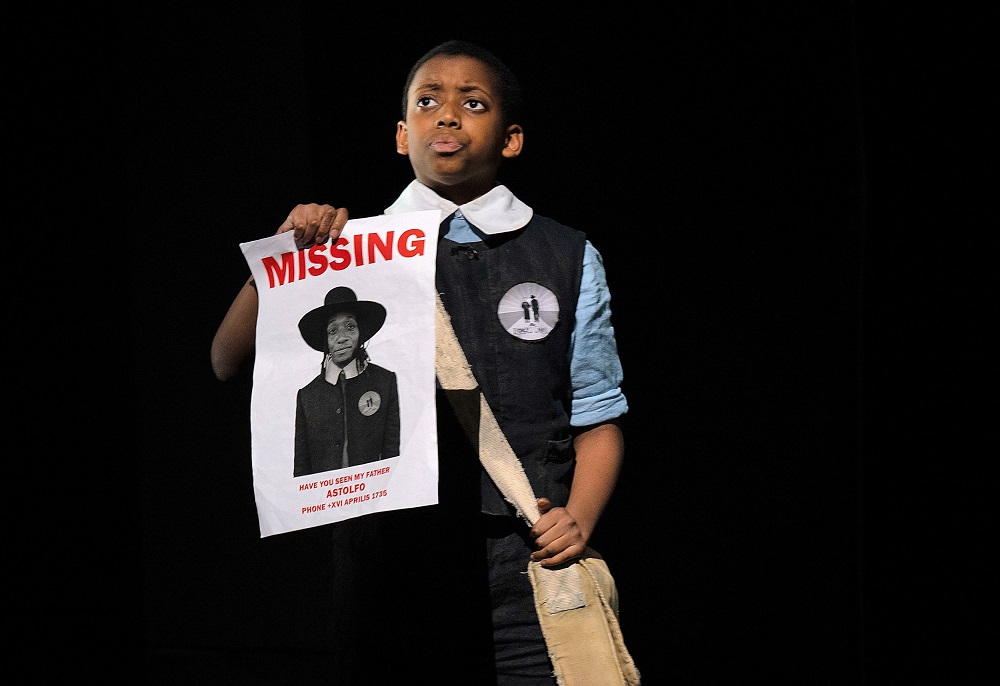
So what on earth would cause someone to shamefully heckle him?
The heckler’s behaviour was inappropriate and wrong.
Bayoh was skilfully and passionately singing Oberto’s aria in Act Two, when a heckler from the balconies began shouting.
What first began as a series of startling “boo’s,” continued. Someone seated next to the man attempted to stop him, hushing, shouting “stop,” and, from what could be seen in the dark theatre, trying to restrain him. The heckler persisted.
I refuse to put into writing what the heckler said in full.
AdvertisementsInstead, let’s talk about Bayoh as a remarkable young performer.
At the start of the aria, Bayoh was lost in his singing, facing into the spotlight, singing with the tender sweetness of a boy roughly 12.
In the face of obnoxious and unwelcome heckling, Bayoh remained on stage and sang the aria to completion. Impressively, the quality of his singing remained unchanged—equally as captivating.
Upon completion, the audience erupted in applause, cheers, whistles, and shouts loud enough to drown out the heckler.
Bayoh returned as Oberto throughout Acts II and III. (Though, according to Royal Opera House, the heckler will not return—he’s been permanently banned.)
At curtain call, Bayoh received the most enthusiastic applause of the night.
Malakai M Bayoh as Oberto was a triumph. His debut on the Royal Opera House stage was superb. And, even more admirable, Bayoh exhibited an awe-inspiring level of composure, professionalism, and showmanship.
May we be lucky enough to see Bayoh on stage for many more performances in the coming years.
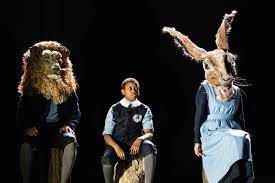
Read my full review of Alcina here.
Advertisements -
Alcina’s Magic Sparkles, but Fades Quickly at the Royal Opera House
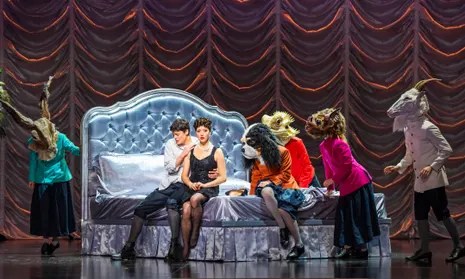
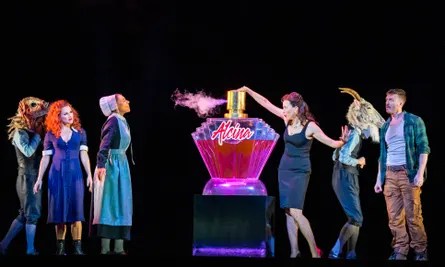
Opening night saw the Royal Opera House buzzing for a new production of Handel’s Alcina, As if Alcina’s magic perfume cast a sleeping spell on the once-eager audience. Director Richard Jones’ production is a deconstructed Alcina — it takes apart the pieces of Handel’s hit, but is unable to put them back together.
The stage is a black box. It’s a set for rehearsal more than a main stage (Even the opera house’s signature red, velvet royal curtains have been lifted into the eaves.)
Intellectually, it works. Alcina is a show of constructed reality. With each spell, the chorus wheels out a new set piece on storage trolleys — forests, rocks, and greenhouses — that pepper the stage, but fail to fill it.
For a story that could be an immersive fantasy, it’s instead a backstage storeroom. And maybe that’s the point—Alcina’s world is fake and we are meant to stay on the outside. It’s an aesthetic that can be anything or nothing. Unfortunately, it chooses to be nothing.
The thing about Handel — he wrote at a time when music written in England was expected to be religious. Handel pushed the boundaries of theatre, famously preferring the then-seedier world of Covent Garden. He brought sex and scandal to his operas. His operas are risqué and sexy, but with enough religious overtones to allow plausible deniability. This also makes Handel’s operas liable to be sanitised and presented as moral lessons.
Unfortunately what could be a sexy and exciting Alcina, is muted by its pervasive Puritan aesthetic. Scenes of pleasure and sex-positivity are squashed by an imposing moralism its Puritan characters demand. In the final scene, Alcina reveals a sign to herald “the joy of sex.” This is unconvincing—Puritanism has won the evening.
But let’s go back to the fun parts, shall we.
Advertisements
The voices and the orchestra were superb.
If you come to the Royal Opera House for world class singing, expect intoxicating performances from Lisette Oropesa as Alcina and Mary Bevan as Morgana. As the sister witches, their voices are as beautiful and as authoritative as their characters themselves. Rupert Charlesworth as Oronte is a standout for his vibrato-rich tenor and convincing acting.
Lisette Oropesa’s Alcina charms the evening. Oropesa has an exquisitely clear and strong voice that is agile and crisp on Handle’s signature step-wise runs. She’s a joy to listen to.
Christian Curnyn conducts a well-balanced and measured orchestra. This is a well-behaved Handel. It’s a joy to hear instruments familiar to Handel’s time, but less familiar to modern orchestras. The harpsichord, lutes, and recorders add a satisfying texture to the orchestra pit. The solos from the first cellist are particularly melodic and deserve every moment of their standing ovation.
There are flashes of brilliance. Jones’ Alcina is at its best with its dancing animals. Transformed from Puritans into animals, the chorus becomes a zoo of giant, animal puppet heads atop brightly coloured Puritan garb. It’s absurd; it’s slightly sexual; and it’s delicious. Morgana’s aria at the end of Act 1 is particularly entertaining.
Fortunately for us, the dancing animals return to fill the empty stage throughout all three acts. Dogs, lizards, lions, parrots, eagles, and animals both domestic and exotic prance on stage. Sarah Fahie’s choreography is a welcome addition to the otherwise plain staging.
Unfortunately, powerful as she is, Alcina’s magic couldn’t dispel the evening’s hecklers. Let me take a moment to say — Malakai M Bayoh was a joy as Oberto, the boy searching for his father. His performance, carrying “Missing” posters across stage and into the audience through the interval, and his ability to stay on stage and perform through inappropriate heckling deserves praise. Bayoh has a bright future ahead.
Jones’ Alcina might not have as bright of a future. Though it appears it will keep the lights on a few nights longer.
It’s a pleasant Alcina that’s worth keeping your ticket, if you have one, and waiting for the Glyndebourne encore if you have yet to decide.
Alcina is on the Royal Opera House Main Stage until 26 November 2022. For ticket information click here.
Advertisements -
To Awaken the Sleeper Meets the Moment with the Barbican’s London Symphony Orchestra

The London Symphony Orchestra has dusted off its music stands and shelved its well-worn repertoire for an exciting and thoroughly modern evening of UK premieres. Awaken the Sleeper: American Music for Our Times meets the moment.
The music is young. All four pieces were written in the past 5 years. All the composers are alive—one of whom, Carlos Simon, was sat a few seats over from me. And all the pieces and their composers are Black Americans with something to say about Black cultural heritage, America today, and Black Lives Matter.
The four pieces — Joel Thompson’s To Awaken the Sleeper (2020), Wynton Marsalis’ Tuba Concerto (2021), and Carlos Simon’s Portrait of a Queen (2017) and Amen! (2019)— create a dynamic and poignant commentary on the American dream (with all its flaws and opportunities) and assert Black America’s right to that dream.
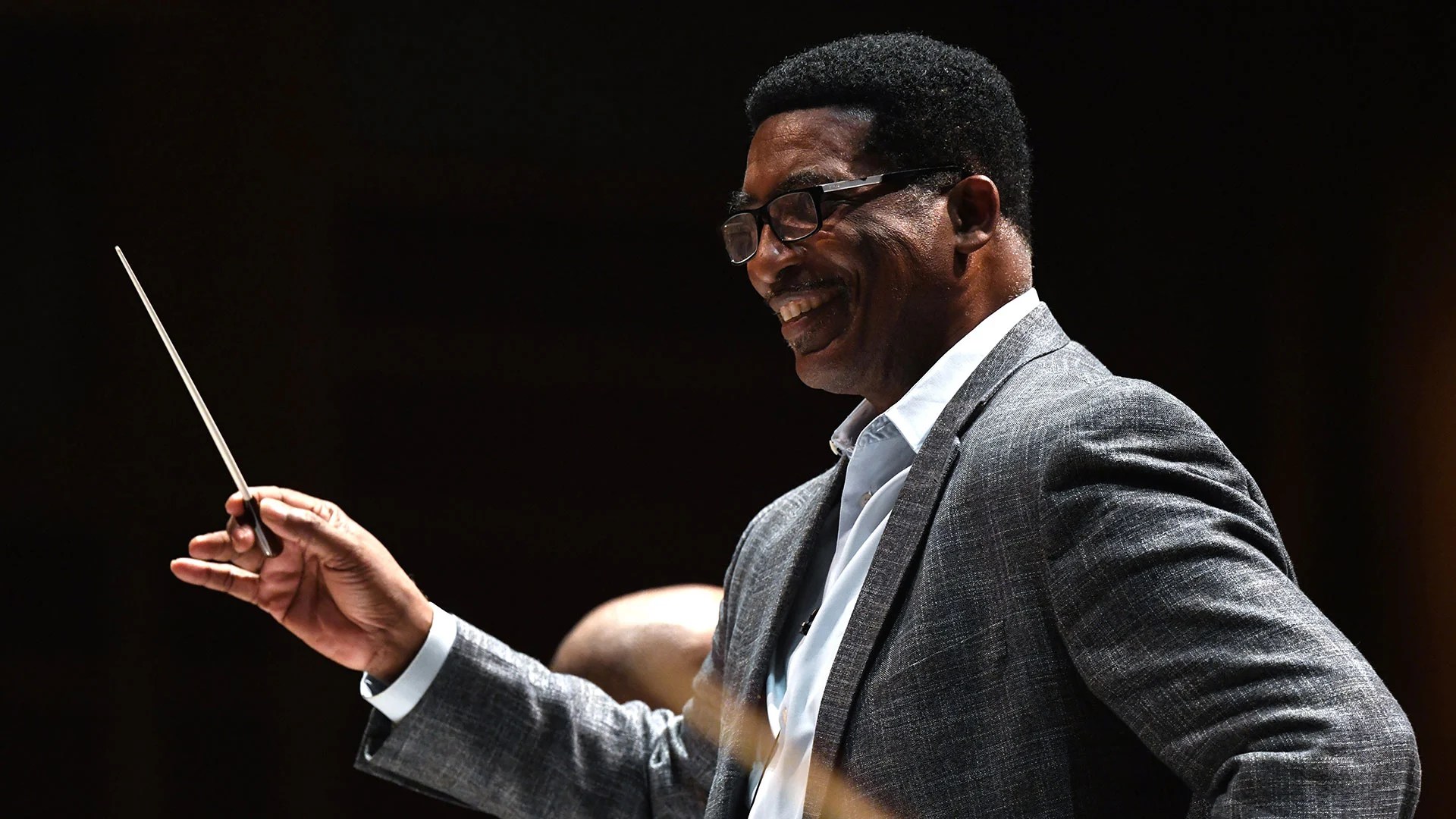
Joel Thompson’s To Awaken the Sleeper (2020)
Awaken the Sleeper brought me to tears. Joel Thompson always makes me feel something.
In To Awaken the Sleeper, Thompson writes weightless interludes in the orchestra’s upper range that evoke an unachieved hopefulness and a promised future. Embellishing with diminished sevenths, Thompson adds a dissonance that reinforces how special (and fleeting) this beautiful hopefulness is.
These shining moments are quickly swallowed by darker, mechanical, rattling that swirls and overtakes a hopeful future with the weight of reality. It’s structural and oppressive. These two counterpoints create an emotional depth that feels urgent.
You can tell Thompson writes for choir. The brass instruments sing as if voices in two, then three, then four-part harmonies
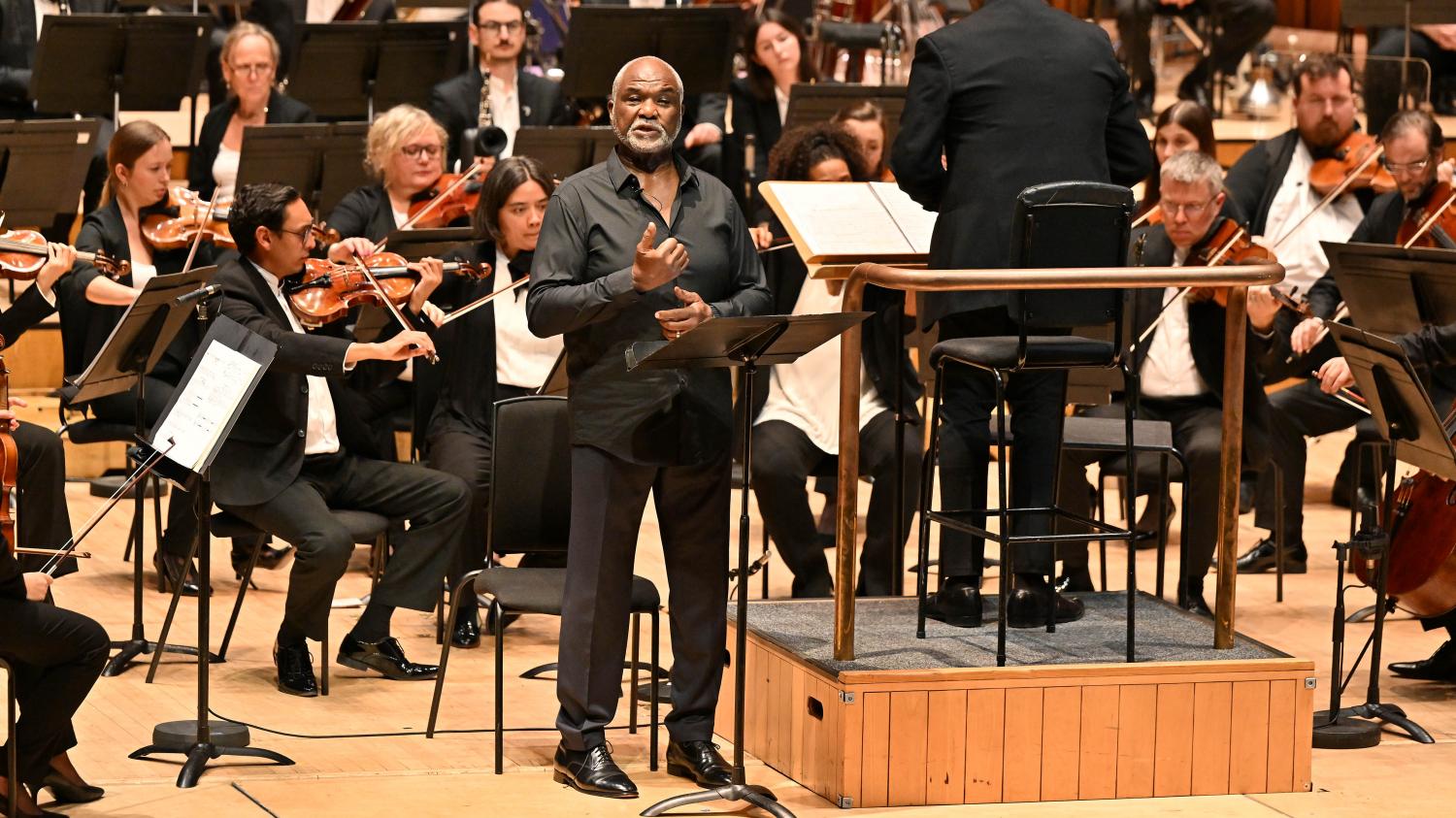
With Awaken the Sleeper, Thompson expertly creates allusions to America’s history through music— revolutionary snare drums and trumpets, a chromatic Star Spangled Banner. The patriotism and the promise are there, but it’s not harmonious.
It’s effective in its message. James Baldwin’s poem, narrated over the piece, punctuates this symphonic call to action.
America can be beautiful, if only we can awaken the sleeper.
 Advertisements
Wynton Marsalis’ Tuba Concerto (2021)
With his Tuba Concerto, Wynton Marsalis gives us a lively and jovial symphony of the South.
In its jazz moments, the tuba croons as if a big band soloist. Marshalis’ swing moments are equally satisfying, allowing the tuba to glide across its buttery lower register.
The concerto feels like two pieces overlayed, with the orchestra and tuba detached. Sat at the front of the stage, the tuba’s commanding call overpowers the orchestra at times. Unfortunately, the tuba is not as agile as a trumpet or a saxophone. The night’s tuba performance seems to trip and stumble through some of its run.
Though, I’d be remiss not to mention how technically difficult the piece is for tuba. This is over 25 minutes of quick fingers and sustained breaths. As if a bit of slapstick,
Ben Thomson as Principal Tuba begins his encore solo by emptying his spit valve. The resulting sputter underlines his stamina. Rightfully so, Thomson’s encore solo is met with a hollering round of applause.
In its poppy moments of radio-ready swing and jazz, Marsalis’ Tuba Concerto shows it’s potential. In these variations, the tuba emerges as an underdog hero of the orchestra.
Carlos Simon’s Portrait of a Queen (2017) and Amen! (2019)
Taken together, Simon’s Portrait of a Queen and Amen! presents a profound veneration of Black America’s difficult history, then raises the community up in praise and celebration.
As with Thompson, Simon creates a contrast between the serious and heavy against the joy and hope of the Black American experience. Esker’s narration in Portrait of Queen is striking. Her voice is textured and varied—from shouting to smiling. She paints a startling, confrontational, and beautiful portrait with her narration.
Simon’s movements are distinct. They powerfully move us through time— from slavery to Jim Crowe to modern day— but anchor us in the truth that’s always been — Black women are powerful.
Carlos’ pieces sound the most balanced of the evening. Carlos impressively maintains more traditional elements of a symphony, but stylises them with embellishments of West African drums, the reparation and rhythm of slave songs, and the full-bodied joy of church worship.
Some movements, particularly in Amen!, are noticeably lighter than the previous two. Perhaps because they were composed in 2017. While in 2017, the reality of structural racism was still all too real, there was lingering hope from Obama years, before the relentless heaviness of BLM from 2020 onwards.
Amen! comes alive. The program ends in joy and praise. The trombones provide smooth melodies that swoop through the concert hall, as if a velvety, soulful crooner. Simon’s written flourishes into the lower strings, with cello accents and running bass lines that
The evening finishes with a standing ovation from Simon Carlos himself, applauding the London Symphony Orchestra. The night is worth its standing ovation.
The night showcases the joy and importance of celebrating living composers. More important, yet, the night brings Black American voices to the concert hall with respect, dignity, and hope for more.
Advertisements -
Death Drop 2: Back in the Habit: Is the sequel better than the original?
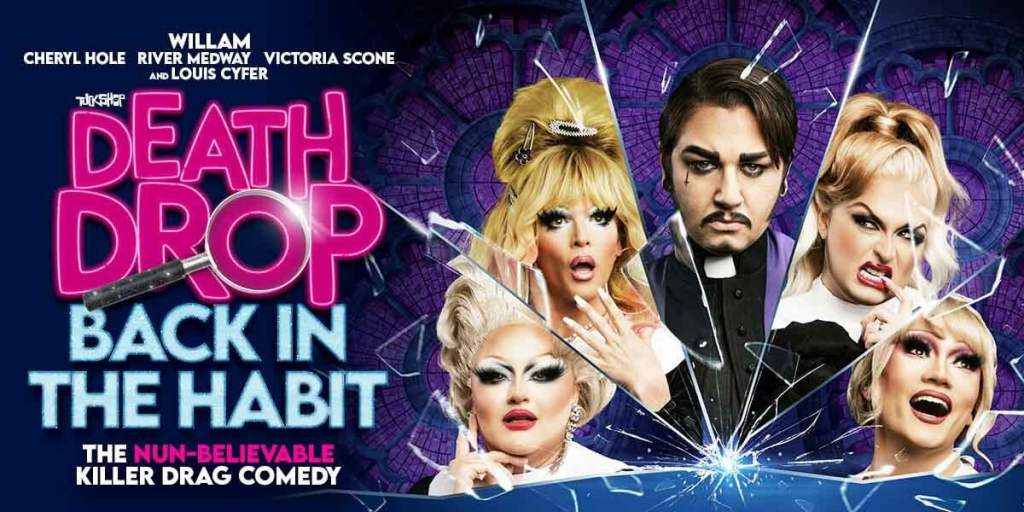
I loved last year’s Death Drop so much I saw it twice. TuckShop UK’s “Dragatha Christie” murder mystery launched two West End runs, a national tour and now a franchise.
So, my excitement was high when TuckShop announced Death Drop 2: Back in the Habit. But what is the new show all about?
Enter the Convent of St. Babs at your own risk—will you make it out alive? A priest (Louis Cyfer) journeys to a secluded convent dedicated to a lesser-known saint after reports of mysterious going-ons, like a goat giving birth to a chicken. What awaits this reluctant priest? A coven of nuns, led by Mother Superior (Victoria Scone) who are a bit too welcoming of their new guest. No spoilers…but this is a murder mystery.
So how does it compare to the first Death Drop? Is the sequel better than the original?
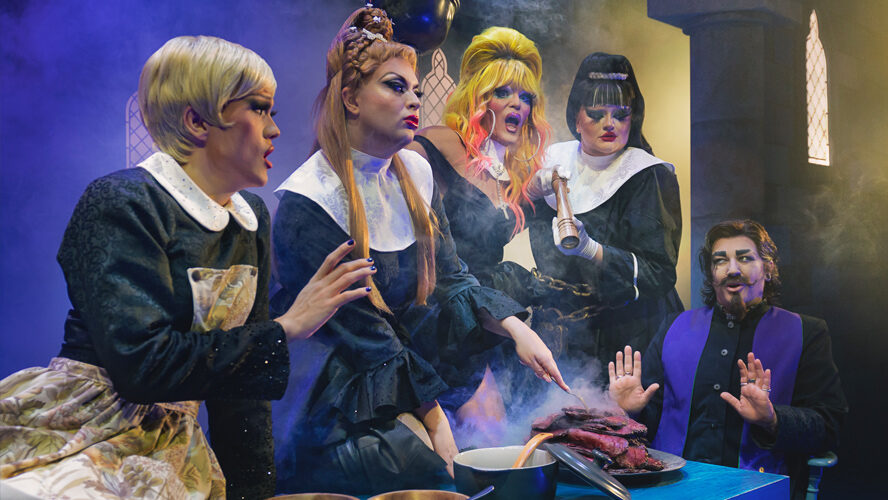
It’s a tough call. These are very different shows. But let’s start with the similarities:
Yes—Death Drop 2 gives us drag superstars straight from the telly. The show features an all star cast from the Emmy award-winning hit tv series RuPaul’s Drag Race and BBC’s RuPaul’s Drag Race UK.
Victoria Scone (RuPaul’s Drag Race UK 3) as Mother Superior leads the cast as an authoritative and convincing H.N.I.C. (Head Nun in Charge). Victoria is even more charismatic on stage than on screen.
Willam (RuPaul’s Drag Race 4) is hilarious as the ditzy, horny, and no-nonsense Sister Titus. Willam is effortless on stage. My eyes go back to her for every punchline.
Cheryl Hole (RuPaul’s Drag Race UK 1) is giving the awkward teenager that refuses to smile in photos. Cheryl’s performance is a bit stilted in Act One but warms up in Act Two.
River Medwey (RuPaul’s Drag Race UK 3) is a natural on stage. River’s Sister Julie Andrews is fun, loveable, and consistently good.
AdvertisementsYes—Death Drop 2 still gives us the drag kings.
Louis Cyfer returns to Death Drop as a main character. Louis has a lot of stage time. Impressively, Louis carries the plot and still makes us laugh.
Yes—Death Drop 2 gives us another murder mystery.
Scream! Cue dramatic drag queen overacting. Filler queens are dropping like flies.
At its core, Death Drop 2 is a “whodunnit?” The show gives us clues wrapped in jokes and physical comedy leading up to the final reveal.
Yes—Death Drop 2 is still high camp.
This show is over the top. And even when you think it’s gone too far—they push it even farther.
I could tell you what you’ll see on stage, but you probably won’t believe me. This show is absurd.
The show opens with two blue tits singing to a “dumb as fuck” Sister Julie Andrews and ends with an epic Lord of the Rings-inspired finale that must be seen to be believed.
But, the question remains—Is it better?
Let’s look at 5 key differences to help us decide:
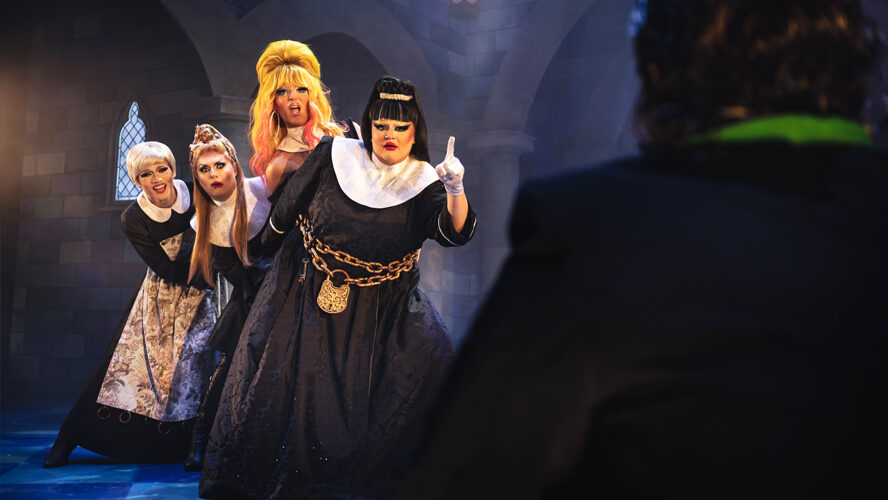
- Death Drop 2 is scary.
It’s spooky and tense. At certain points I’m nervous to laugh.
Do not expect the plot of Sister Act or even the Sound of Music. This is the 2018 horror movie The Nun, but with drag queens.
- Death Drop 2 is plot heavy.
Rob Evan’s script is dense. Some of the story is a bit unnecessary. The excitement in the theatre is immediately dropped when the curtain rises. The entire first scene is a painfully slow exposition setting out a story that doesn’t entirely carry to the end of the play. It’s too much. Give us an opening musical number instead.
Evan’s script lurches between ideas. Pop culture references pop up and then disappear just as quickly. With so much happening all at once, it’s difficult to get a grip on what the story is or what the jokes are.
In Death Drop 1, Holly Stars wrote a plot that was straightforward and wrote fully-formed characters. Because of this, the script gave the show room to play. It was fun.
Death Drop 2 had less room to play and, as a result, wasn’t as fun as it could have been.
- This isn’t a panto. This is a Drag Race acting challenge.
Death Drop 1 featured moments of campy panto humour (“It’s behind you!”).
Death Drop 2 feels like an acting challenge on RuPaul’s Drag Race. Just as you’ve seen on TV, the acting challenges feature strange, overwrought humour with cringe-worthy overacting. Unfortunately, you’ll find some of this in Death Drop 2.
- Innuendo is swapped for rude humour.
Part of the joy of Death Drop 1 for me was that the humour was so clever. The jokes relied on innuendo and references that built throughout the show. This brought the audience in on the jokes.
Death Drop 2 is rude. The jokes are crass and, at some points, overtly sexual and sacrilegious to the point of scoffing.
Where you might take your kids to Death Drop 1, Death Drop 2 is not family friendly.
- Where are the musical numbers?
The high point of the show for me was River’s musical parody of Julie Andrews in Sound of Music. This is the Death Drop sequel came for. A fun, easy performance with clever lyrics that both tie into the story and stand alone. River really sells the number and proves why she deserves every single minute she’s on that stage. Her physical comedy and gag-humour take the number to the next level.
I would have loved to see more like River’s numbers. A second musical number arrives in Act Two a bit too late and a bit too abruptly.
Opening with a song in Death Drop 1 warmed the audience and brought us into the world. The musical numbers felt natural in the story. In Death Drop 2, these feel like add-ons.
So….Is it better than the original?
I say no— I prefer Holly Star’s first Death Drop. Death Drop 2 was a bit too uneven and a bit too undercooked for my taste.
My theatre partner said yes—as a fan of horror movies, he loved this bold and brazen “fever dream” of a play.
At its best Death Drop 2 continues a celebration of British drag at its best —campy, clever, and absurd. If the American drag in RuPaul’s Drag Race is criticised for “resting on pretty”, TuckShop shows us that British drag is not afraid to smudge its makeup.
If you’re looking for a reprise of Death Drop 1, I’m sorry my dear, but you’re up for elimination.
If you’re looking for a spooky night of TV drag queens & gasp-worthy plot twists, Death Drop 2 will have you gagged and gooped.
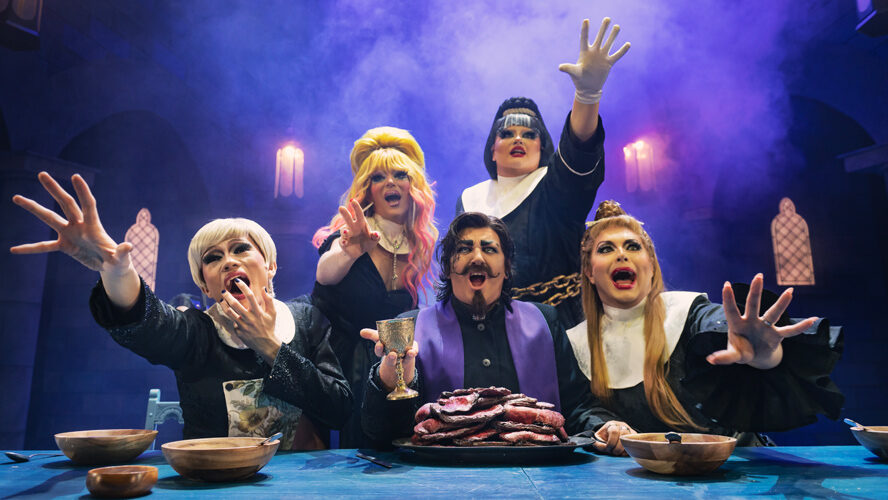
From 8-20 November at the Garrick Theatre, London.
For full tour dates across the UK, visit the Death Drop 2 official website.
All production photos from TuckShop UK’s promotional materials for Death Drop 2.
Advertisements -
Dmitry: A surprisingly poignant picture of Russian power in a stylish new Marylebone Theatre
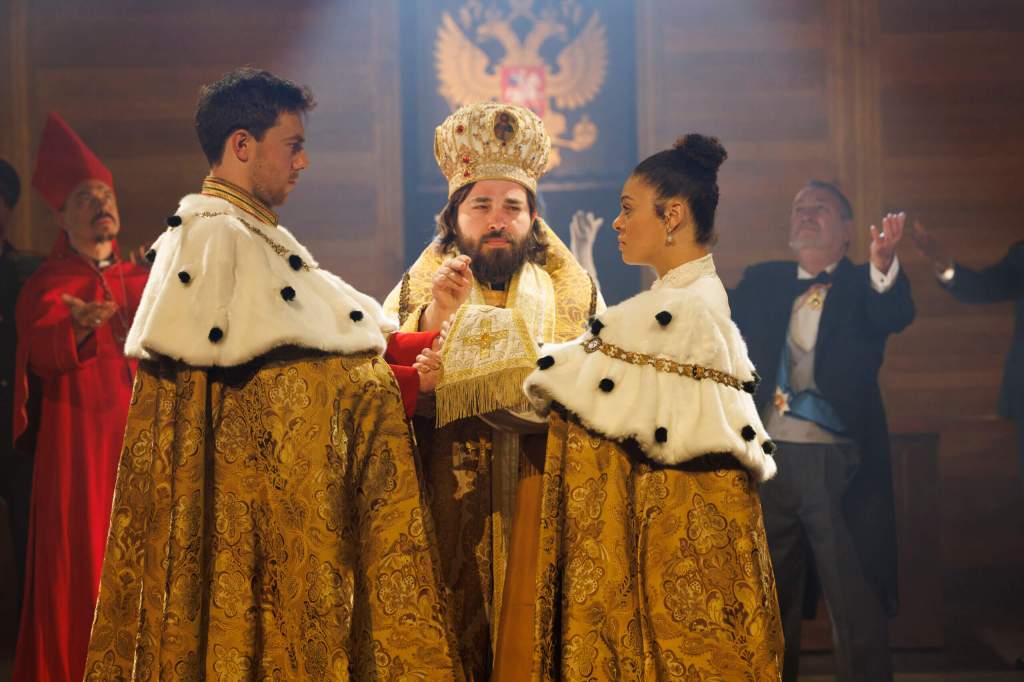
Before Anastasia, there was Dmitry. The royal imposter who led an army of Poles and Cossacks to take the crown and become tsar of Russia. But why this play now? Schiller’s play on Russian history is largely lost to history and rarely performed. Why bring it back now?

Is it satisfying to watch the invasion of Russia on stage in light of Russia’s own recent invasions of Belarus and Ukraine? Is it poetic justice to see an autocratic leader like Boris Godunov taken down by a populist movement with an autocrat in the Kremlin in 2022? Or maybe while we watch world events unfold we feel we need to collectively question who is in power and why we revere them.
Dmitry is a story that stands on its own. Though normally relegated to the footnotes of history as the succession battle that bridges the long imperial rules of the Ivans and the Romanovs. Or, Dmitry is often presented as the subplot in Mussgorvsky’s operatic masterpiece, Boris Godunov.
Dmitry is classroom history on stage done well, albeit a bit too stuck to words on the page. With the basics of Russian history and Ivan the Terrible, the show is enjoyable. Without prior knowledge, the show may feel like watching a work of Shakespeare you know nothing about. Some names, symbols, and themes of both Russian history and orthodoxy aren’t always fully explained. Though, the political drama is salient enough to hold attention.
AdvertisementsThe acting, though, is not convincing. It’s a show built on a lie— Dmitry is not the son of Ivan the Terrible and is not the heir to the tsar. In Act One, the entire cast believes the lie too willingly. With acting that gives in so quickly, it’s difficult to establish motives for the show’s key characters.
Though set in Russia, the acting is very British. It’s Russia through British eyes.
In Polish Parliament, the Brits jeer & aye as if in Westminster. On the battlefield outside Novgorod, the Brits jump & chant as if watching football at the pub. While this makes for easy viewing, it makes it difficult to build a cultural landscape.
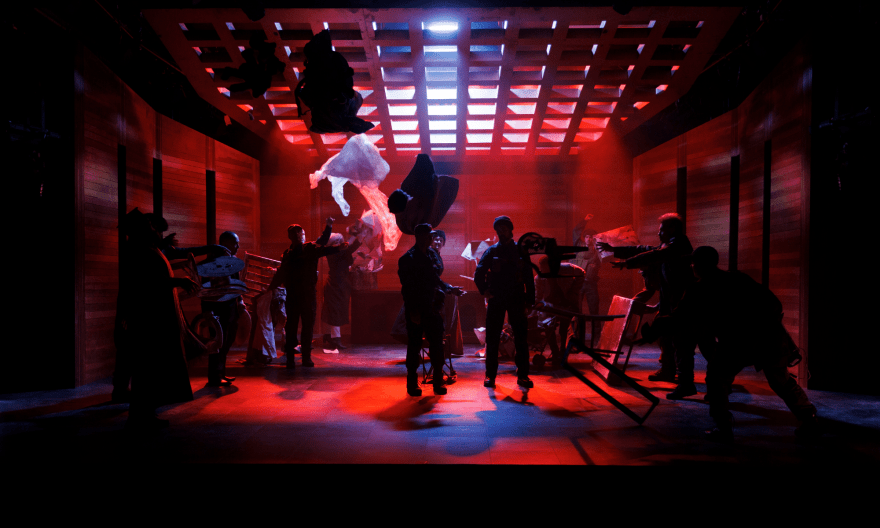
Tim Supple’s production is visually impactful. It’s an impressive set of clostraphobic exposed wood. The costuming is equally impressive. Robert Innes Hopkins’ use of modern suits and military suits modernises the political drama to Putin’s Kremlin, but the traditional robes and regalia of Russian orthodoxy anchor the visual world in tradition. The show has seemingly endless props, which are used as symbols throughout. Supple’s direction provides very clever use of space. The stage’s wooden box transforms from parliament chambers to an Orthodox Church to a particularly visual battlefiled.
It’s a striking, albeit curious choice, to open the new Marylebone Theatre. The space is modern with expressionist elements. Before the show, I browsed Russian history titles in the adjoined bookshop and found the cafe comfortable and inviting. The space is pleasant and promising. The question remains— for a beautiful new theatre, why open with this show?
Dmitry is worth seeing for its historical relevance and visual impact. But why now? Maybe we need a wider view of Russia, one that forces us to challenge a Russia manipulated and framed by its current leader. Schiller’s Dmitry is an old play that takes on new meaning in a time of ear with Russia. Perhaps the Dmitry prompts us to question—if the tsar is built on a lie, who truly believes that lie and who only pretends to believe that lie for their own political motives?
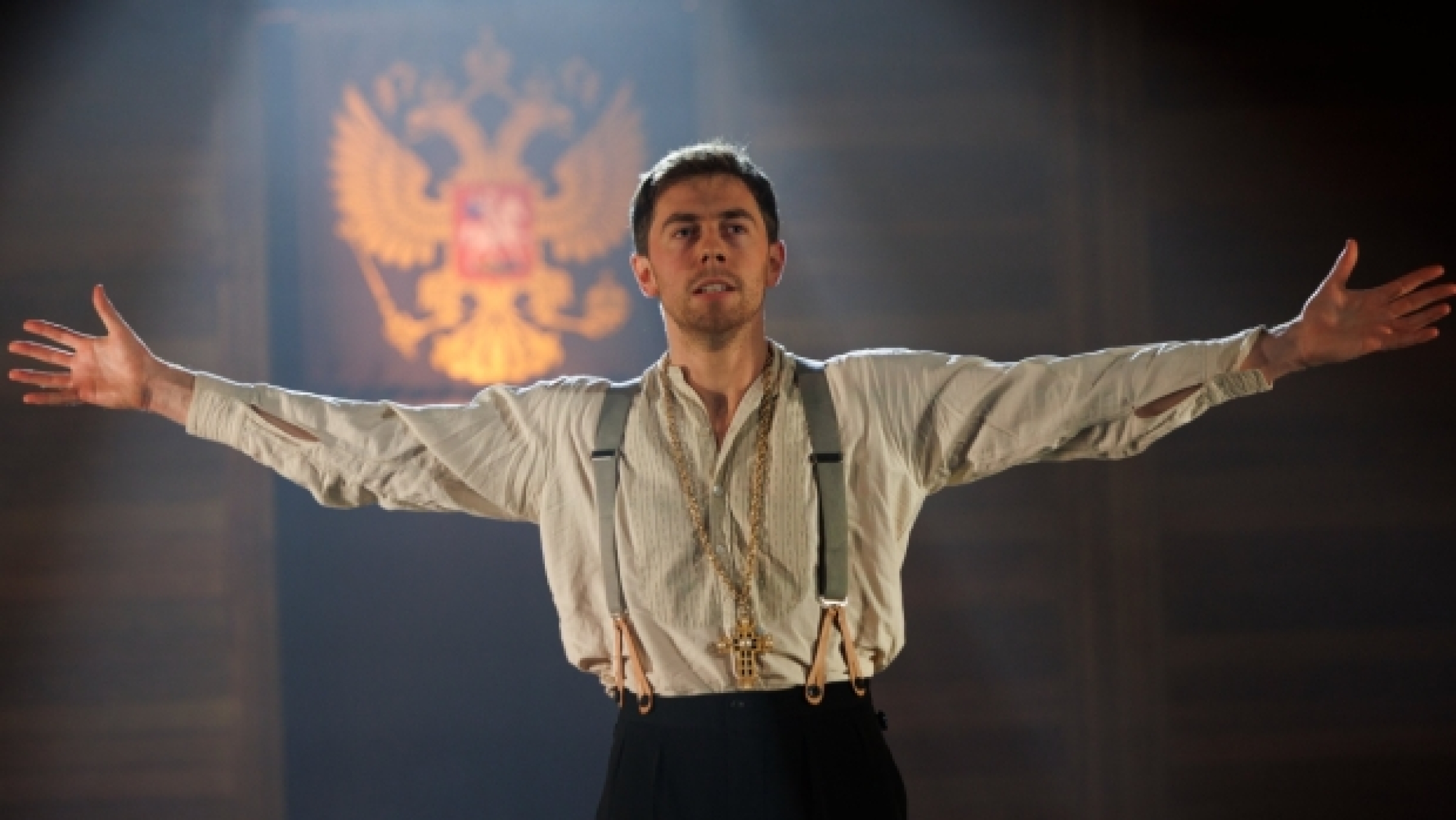
All photos from Marylebone Theatre promotional materials.
Advertisements -
English National Opera’s Tosca: Young Stars Shine Bright in Timeless Tosca
120 years after its premiere, is it possible for Puccini’s Tosca to feel fresh? In its English National Opera premiere, Cristof Loy’s Tosca is a classic with a few twists. There’s more than meets the eye with this Tosca.
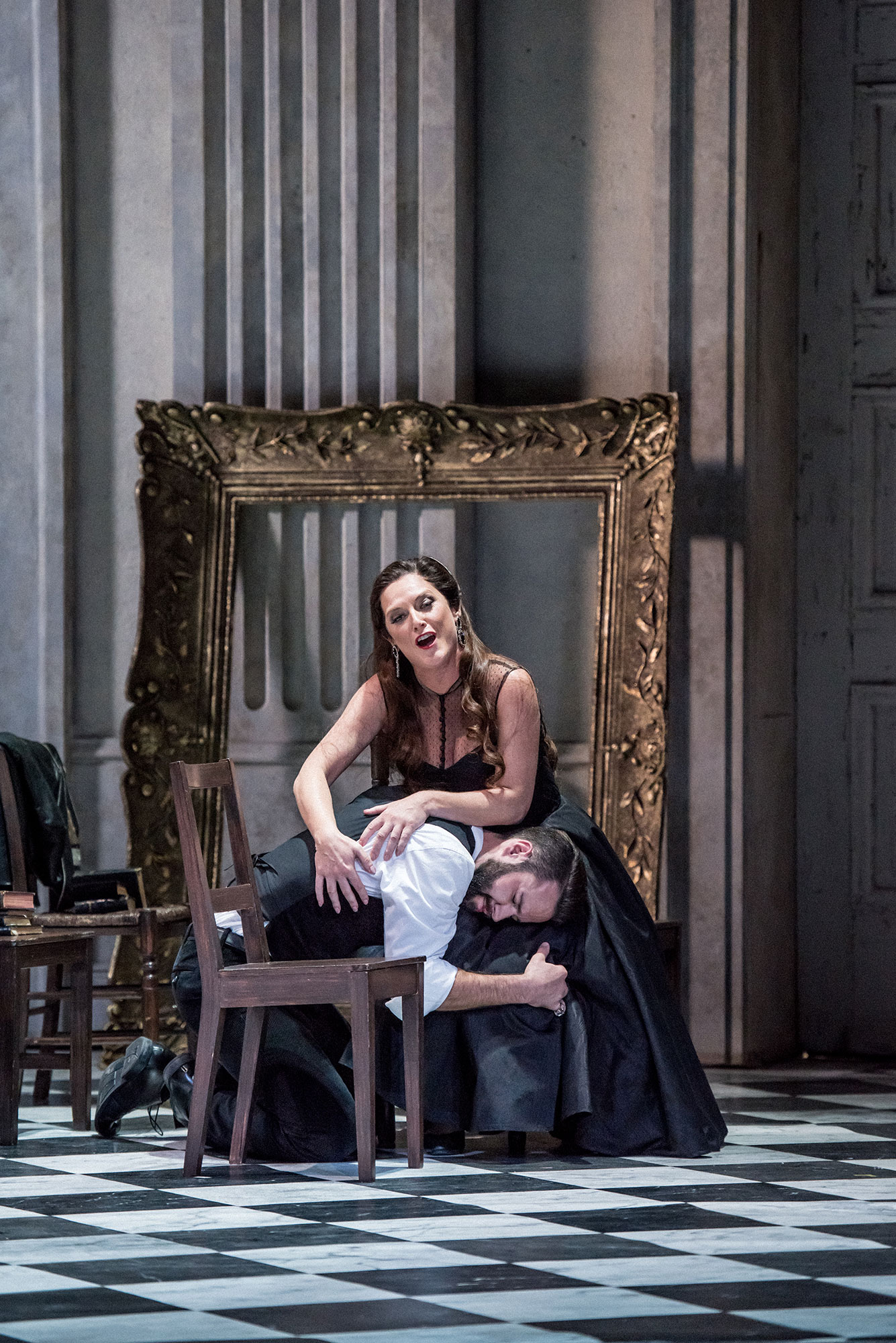
The curtain rises with bold fanfare that gives way to an instantly familiar church. This world is deceivingly familiar. “Traditional,” I write in my notebook. As characters enter, a collage of visual elements emerges. Some elements feel at home in the original libretto, set in 1800 Rome. Scarpia and his men are dressed in military coats of the era, while sculpted, powdered wigs call back to an earlier Baroque period. Tosca’s wardrobe fast forwards to the elegant silhouettes of the 19th century, while Cavaradossi and Angelotti wear suits that are modernised to near present-day. It’s a visual world that refuses to settle in one time. Borrowing Loy’s own description, I cross out “traditional” and write— “timeless.”
AdvertisementsThis staging presents violence plainly and forces its characters to react. Puccini’s famous verismo (realism) is there, but with less melodrama. The acting is emotive and revealing. Adam Smith’s Cavaradossi, Sinead Campbell-Wallace’s Tosca and Noel Bouley’s Scarpia are all deeply stirring. Scarpia’s use of force is unflinching and unforgiving; Cavaradossi’s bravery is bold and unwavering; and Tosca’s loyalty is gritty. By laying the characters’ feelings and motives bare, the performance feels human.
In this production, Tosca and Cavaradossi’s love story takes centre stage. The intensity of the plot is offset by convincingly tender moments. The lovers are presented with space to breath, softer lighting, and, as if in relief, exhaled posture. Singing out to the audience, Tosca and Cavaradossi sing their love and loyalty arrestingly. Amidst the violence, the love story glitters through.
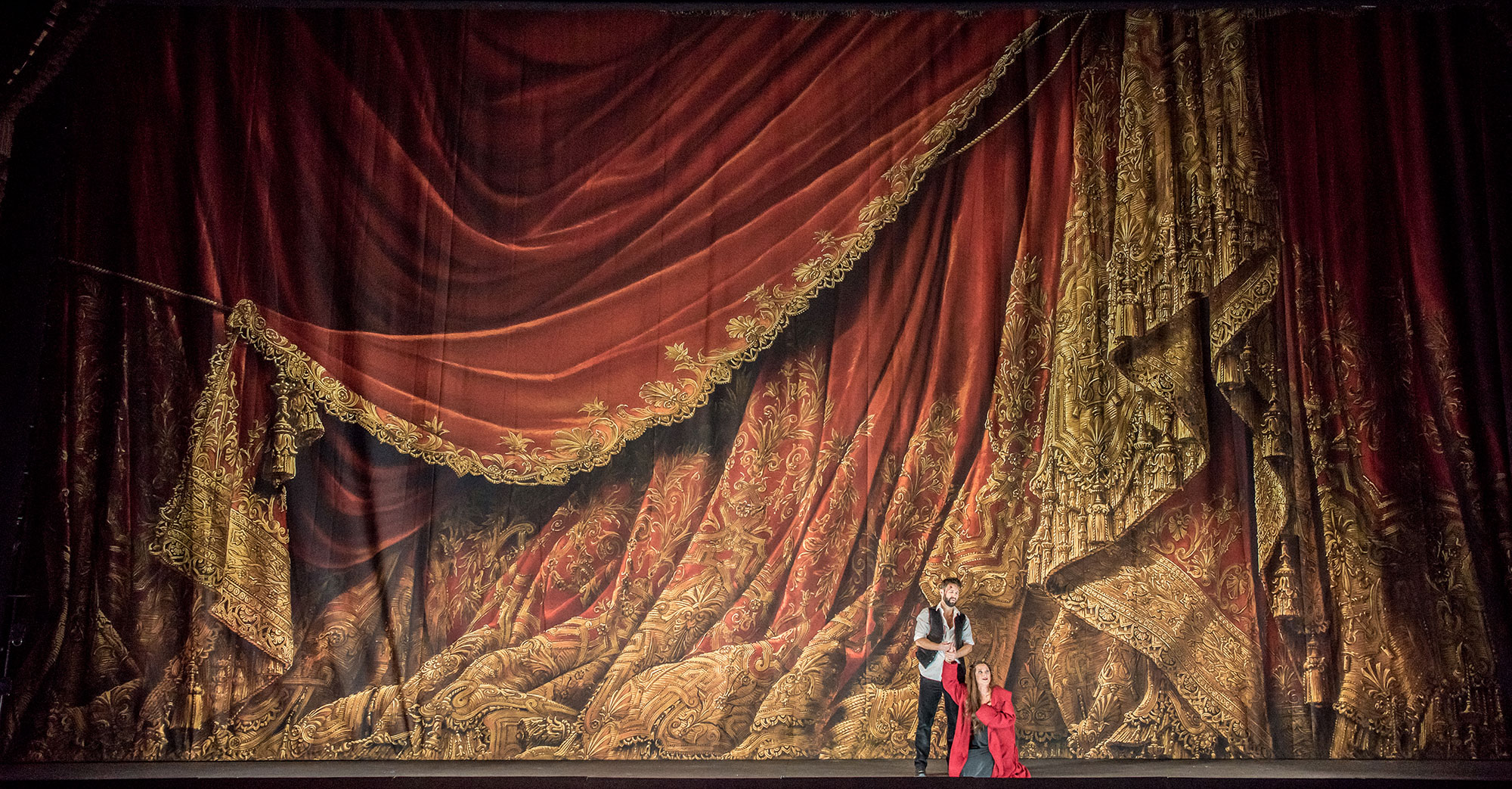
The night’s vocal performances are resonant and rich. Smith, Campbell-Wallace, and Roland Wood (singing Scarpia offstage on opening night) take every opportunity in Puccini’s score to showcase their upper registers.
An expressive orchestra and a formidable chorus underpin these strong vocals. The chorus provides an intensity of sound that reinforces the urgency of Tosca’s world. Conducted by Leo Hussain, the orchestra paints a soaring emotional world, presenting forceful renditions of Scarpia’s leitmotif, withdrawing in the arias, and swelling in the duets.
The biggest joy of the night is the young stars themselves. In many opera companies, Cavaradossi and Tosca are roles typically sung by veteran performers. The night’s young singers perform with a vitality and edge that is heightened by their youth. Smith’s tenor is particularly impressive. The resounding applause for Smith’s curtain call promises an exciting career for the tenor. Without compromising this beloved classic, ENO’s timeless Tosca is made fresh with its young stars.
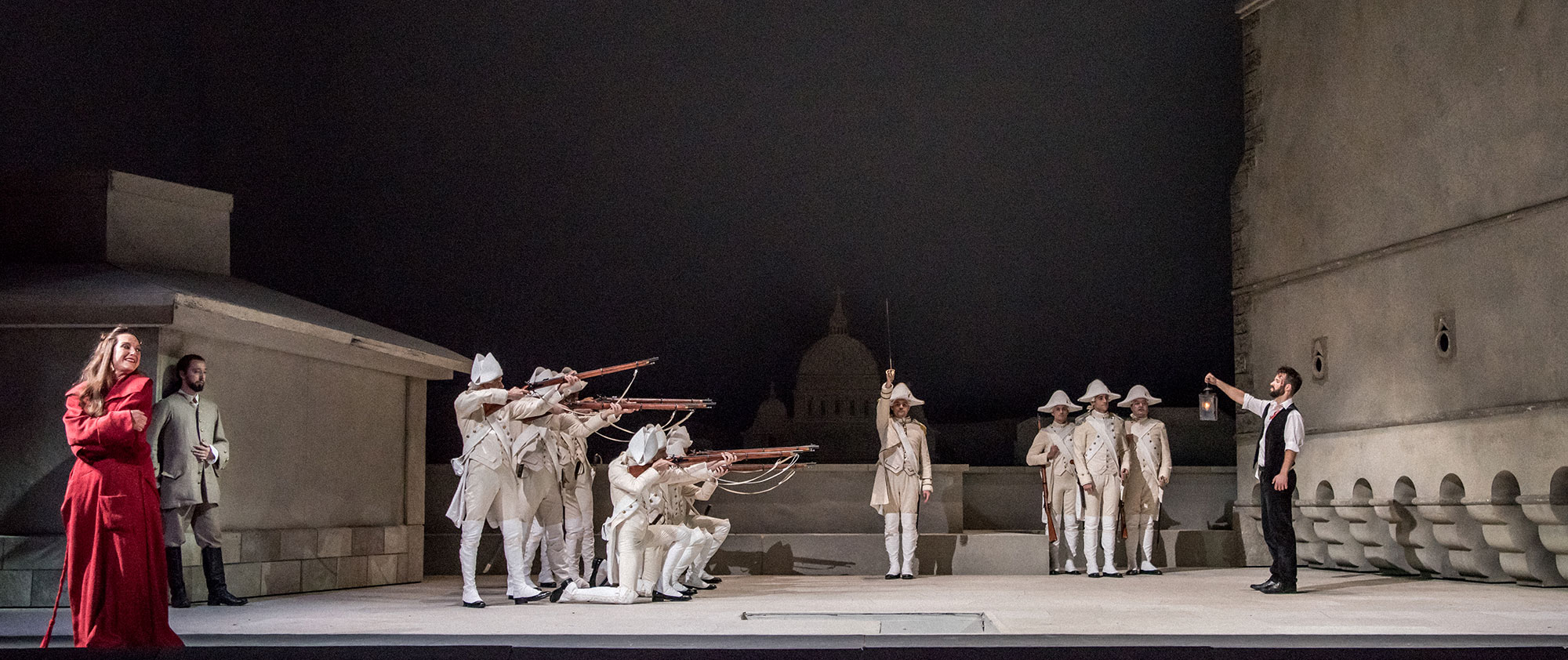
All photos by Genevieve Girling as part of English National Opera Press Pack.
Advertisements -
Hello World!
Welcome to London Show Cap!
First, let me say how much I love the arts. I feel most alive when I’m in a space of music–either in a theatre or sat at home at my piano.
I’ve started this website because I love opera, theatre & music and I love writing.
I am an opera critic in training with ENO Response, a brilliant programme for up-and-coming creatives through the English National Opera. However, the views expressed here are entirely my own.
While some of my view may be difficult, please know I deeply respect every person that has the fire in them to step on stage, put pen to paper, or make art of any form.
Thank you for coming on this journey with me. I can’t wait to share my thoughts on opera, theatre, plays, orchestral works, drag, and so much more with you.
- Review: 2:22 starring Cheryl; A Ghost Story that’s, ironically, human
- Review: Orlando starring Emma Corrin; Stylish but Self-conscious
- Review: Least Like the Other: Searching for Rosemary Kennedy; “Lobotomy: The Opera”!
- Review: Matthew Bourne’s Sleeping Beauty; A Fever Dream Fairytale
- Review: Hakawatis, Women of the Arabian Nights; Intimate Storytelling in Female Gaze at Shakespeare’s Globe

